If you’ve been researching ways to support your metabolism, recovery, hormonal balance, or overall wellness, you’ve likely come across the term peptide therapy. It’s one of the fastest-growing areas of functional and aesthetic medicine, and for good reason. Peptide protocols offer a targeted, personalized approach to health optimization that goes well beyond what conventional treatments typically address.
Aponi Aesthetics in Worcester, MA, offers peptide therapy as part of a broader wellness-forward treatment menu. This guide covers what peptide therapy is, how specific peptides work, what the treatment experience looks like, and how to know if it might be right for you.
What Is Peptide Therapy?
Peptides are short chains of amino acids, the same building blocks that make up proteins. In the body, peptides function as signaling molecules, essentially messengers that tell cells what to do. They regulate a wide range of biological processes including metabolism, tissue repair, hormone production, immune function, and skin health.
Peptide therapy uses specific, bioidentical peptide compounds to support or restore these natural signaling pathways. Rather than overriding the body’s systems, peptides work with them, nudging processes that may have slowed down due to aging, stress, or lifestyle factors.
Because peptides are highly specific in how they act, therapy can be tailored to your individual goals. Someone focused on body composition has a different protocol than someone focused on recovery, cognitive performance, or hormonal wellness.
Peptides by Goal: Which Compounds Do What
One of the most common questions people ask when exploring peptide therapy near me is which specific peptides are actually used and what each one does. Here’s a breakdown of the compounds offered at Aponi Aesthetics and the goals they’re best suited for.
BPC-157: Healing & Tissue Repair
BPC-157 is one of the most widely recognized peptides in functional medicine, and for good reason. Short for Body Protective Compound, BPC-157 peptide therapy is primarily used to support tissue repair, reduce inflammation, accelerate recovery from injury, and improve joint health. It has shown strong results in research related to tendon, ligament, and gut healing. Athletes and active individuals dealing with chronic injuries or recovery bottlenecks often find it particularly valuable.
BPC-157 peptide therapy is typically delivered via subcutaneous injection, though some oral formulations exist depending on the treatment target.
BPC-157 & TB-500: A Common Healing Stack
TB-500, also known as Thymosin Beta-4, is another healing-focused peptide that complements BPC-157 well. TB-500 peptide therapy supports angiogenesis (the formation of new blood vessels), reduces inflammation, and promotes cell migration to injured tissue. When combined with BPC-157, the two compounds form one of the most effective tissue repair protocols in peptide therapy.
Sermorelin: Growth Hormone Support & Anti-Aging
Sermorelin is a growth hormone-releasing hormone (GHRH) analog that stimulates the pituitary gland to produce and release more natural growth hormone. Unlike synthetic HGH injections, sermorelin peptide therapy works with the body’s own feedback loops, making it a more physiologically balanced approach.
Sermorelin is commonly used for anti-aging and longevity support, improved sleep quality, lean muscle development, fat metabolism, and energy and recovery. Because it promotes natural growth hormone production rather than replacing it, sermorelin is often considered a more sustainable long-term approach to addressing age-related hormonal decline.
Ipamorelin: Clean Growth Hormone Release
Ipamorelin is a growth hormone secretagogue that works similarly to sermorelin but through a different receptor pathway. Ipamorelin peptide therapy is known for producing a clean, selective pulse of growth hormone without significantly affecting cortisol or other hormones, which makes it a preferred option for those sensitive to hormonal fluctuations.
CJC-1295 combined with ipamorelin is one of the most popular protocols for performance, recovery, and body composition because the two compounds work synergistically: CJC-1295 extends the half-life of the growth hormone-releasing signal while ipamorelin amplifies the pulse.
GHK-Cu: Skin Health, Collagen, & Longevity
GHK-Cu (copper peptide) is one of the most well-studied peptides for both aesthetic and systemic anti-aging benefits. GHK-Cu peptide therapy supports collagen synthesis, wound healing, hair growth, and cellular repair. It also has antioxidant and anti-inflammatory properties that make it valuable for longevity-focused protocols.
GHK-Cu is available in topical and injectable forms. When used as part of a comprehensive peptide protocol, it supports the skin from the inside out alongside other longevity compounds.
PT-141: Sexual Wellness & Libido
PT-141 (Bremelanotide) is a melanocortin peptide that acts on the central nervous system rather than the vascular system to support sexual arousal and libido in both men and women. PT-141 peptide therapy is used for low libido, arousal difficulties, and sexual dysfunction that hasn’t responded well to other treatments.
Unlike PDE5 inhibitors, PT-141 targets desire at the neurological level, which is why many patients find it effective when other options haven’t been.
Peptide Therapy for Weight Loss: AOD-9604 and GLP-1 Support
Several peptides are specifically used in protocols targeting fat metabolism and weight management. AOD-9604 is a modified fragment of human growth hormone that stimulates fat breakdown (lipolysis) without affecting blood sugar or growth hormone levels. It is often used as part of a comprehensive metabolic protocol.
Peptide therapy for weight loss at Aponi Aesthetics may also incorporate GLP-1 analogs, MOTS-c for mitochondrial fat metabolism, and peptide hormone therapy to address underlying metabolic and hormonal contributors to weight gain. These are combined based on your individual physiology and health history rather than applied as a one-size-fits-all protocol.
What Does Peptide Injection Therapy Feel Like?
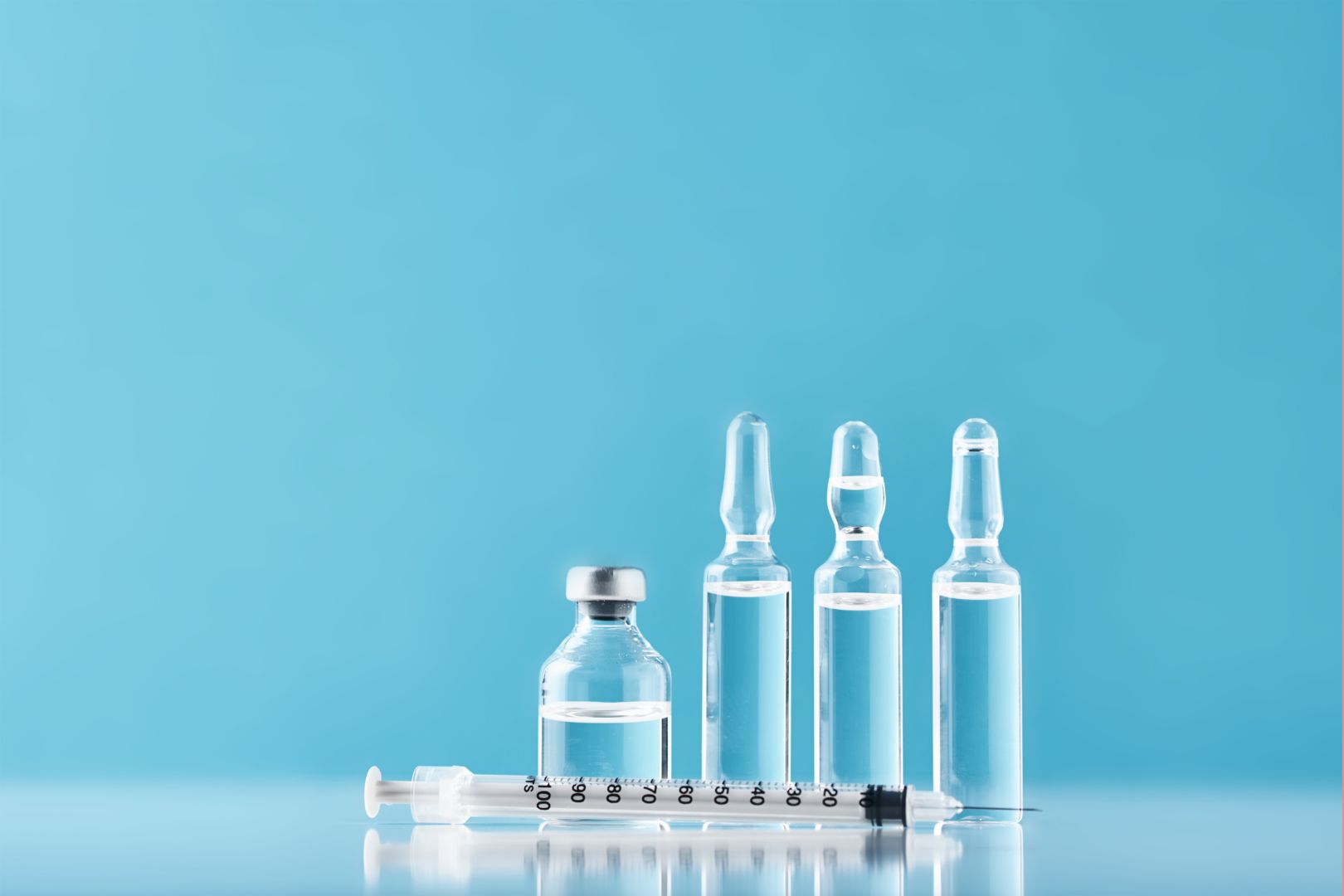
Most peptides are delivered via small subcutaneous injections, similar to insulin injections. The needles used are fine-gauge and the injection sites are typically the abdomen or thigh. Many patients are taught to self-administer at home after the initial consultation and protocol setup.
Peptide injection therapy is generally well tolerated. Some patients experience mild, temporary effects such as injection site redness, changes in appetite, or shifts in energy during the first few weeks as the body adjusts. These effects typically resolve as the body adapts to the protocol.
Some peptides are available in nasal spray or oral forms depending on the compound and the treatment goals, which can be a more accessible option for patients who prefer to avoid injections.
What Results Can You Expect?
The timeline for results from peptide therapy varies depending on the peptides used and the goals being addressed.
Some patients notice early shifts within the first two to four weeks, particularly in sleep quality, energy, appetite, and recovery. These early signals are often a good indication that the protocol is working as intended.
More substantive changes in body composition, performance, hormonal balance, or metabolic function typically develop over eight to twelve weeks. Because peptide therapy works by supporting the body’s own systems rather than overriding them, the results tend to build progressively and are designed to be sustainable over time.
Protocols are adjusted based on your response, which is part of what makes this approach different from a fixed, one-time treatment.
Is Peptide Therapy Right for You?
Peptide therapy may be a good fit if you’re looking for a targeted, science-backed approach to improving your health rather than a single-symptom solution. It’s particularly well suited for people who want their care to evolve over time and who are committed to a longer-term wellness strategy.
Common reasons patients explore peptide therapy include persistent fatigue or poor recovery, difficulty with body composition despite consistent effort, hormonal imbalances, age-related decline in energy and performance, desire for a more personalized approach to longevity, and interest in sexual wellness support.
It is not appropriate for everyone, and a thorough consultation is always the first step. Aponi Aesthetics will review your health history, current labs if available, and wellness goals before recommending any protocol.
Peptide Therapy at Aponi Aesthetics, Worcester, MA
Aponi Aesthetics offers physician-directed peptide therapy as part of a comprehensive approach to wellness and longevity. Protocols are customized to your individual physiology and goals, and care is ongoing with adjustments made over time to support meaningful results.
If you’ve been searching for peptide therapy near me and want a provider who takes a personalized, high-touch approach, Aponi Aesthetics is accepting new consultations.
Book a consultation online or contact the office directly at (508) 791-2900 to get started.
This article is intended for educational purposes and does not constitute medical advice. Peptide therapy should always be guided by a licensed professional based on your individual health history and goals.